

nET ZERO HOMES
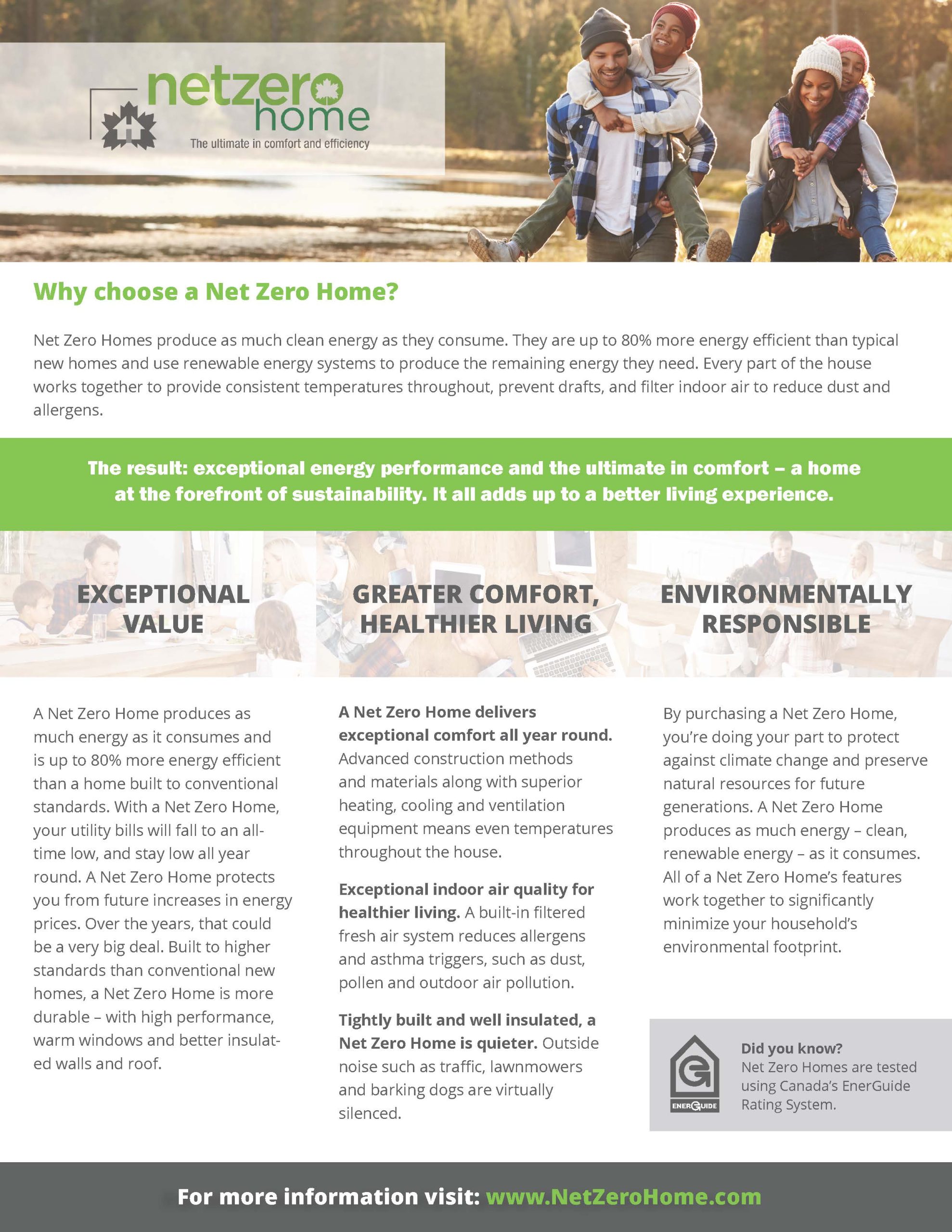
Net Zero Homes produce as much clean energy as they consume. They are up to 80% more energy efficient than typical new homes and use renewable energy systems to produce the remaining energy they need. Every part of the house works together to provide consistent temperatures throughout, prevent drafts, and filter indoor air to reduce dust and allergens. The result: exceptional energy performance and the ultimate in comfort – a home at the forefront of sustainability. It all adds up to a better living experience.
Protecting our earth means building a sustainable future. By building and buying Net Zero Homes, you’re doing your part to combat climate change and preserve natural resources for future generations. CHBA continues to help builders and renovators voluntarily achieve Net Zero construction so that the people of tomorrow can enjoy a healthy, clean, and thriving earth.
How does solar energy work?
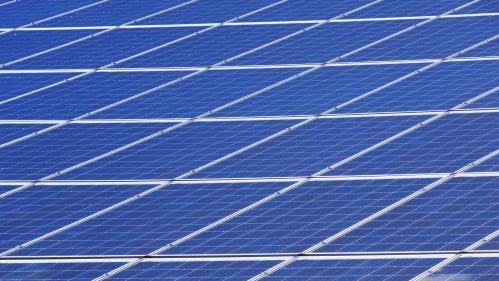
Solar photovoltaic (PV) technology uses solar cells to convert sunlight directly into electricity. This can help you manage energy costs, add value to your home, reduce greenhouse gas emissions and help maintain a reliable electricity grid.
Pairing solar panels with battery energy storage can help make your home more resilient. Store excess solar power in your battery to use overnight, on cloudy days, in the event of a power outage, or at times of peak electricity demand.
Adding rooftop solar panels and a battery energy storage system to your home can help you generate your own clean, renewable energy year round. A home energy assessment is not required.

Can I save money?
In Ontario, Canada, a solar panel system can save you between $900 and $3,000 annually on electricity bills, with the potential to save tens of thousands over the system’s 25+ year lifespan after the system is paid for. The specific savings depend on your household’s energy use, system size, and the effectiveness of net metering policies and incentives in your area, with a payback period typically ranging from 6 to 10 years.